Introduction
The modified car culture featuring exaggerated ultra-wide bodywork was once confined to professional motorsports and a small circle of hardcore enthusiasts. Today, widebody kits have evolved far beyond their track-only origins and are now one of the most popular aftermarket upgrades in the automotive industry. With this rise, a common question emerges: widebody kits look stunning, but are they truly worth the investment? This article provides a detailed breakdown of the pros and cons of widebody kits, answers the question “What is a Widebody Kit?”, and helps you assess whether a widebody should be on your modification project.
What is a Widebody Kit?
A aftermarket widebody kit is a set of replacement or add-on parts that physically widen your vehicle’s exterior.Today, Porsche, BMW, Mercedes-Benz, Lamborghini, and others are the brands with the most widebody kit options.
Widebody modification originated in motorsports. Former drivers needed extreme traction and therefore equipped their cars with wider racing-spec tires. Over time, this demand gave rise to wider bodywork designs. This racing influence eventually shaped global street culture. Notable brands include Japan’s drift-style Rocket Bunny and the luxury supercar styling of Liberty Walk.
What Does a Widebody Kit Include?
A comprehensive widebody kit completely transforms a vehicle’s aerodynamic profile and stance, typically includes:
- Extended Fender Flares:expanding the track width
- Front & Rear Bumpers:widened arches
- Splitters:reduce drag and enhance stability
- Side Skirts:track-ready visual profile
- Additional aero components: rear wings,canards and more
Why Widebody Kit is popular?
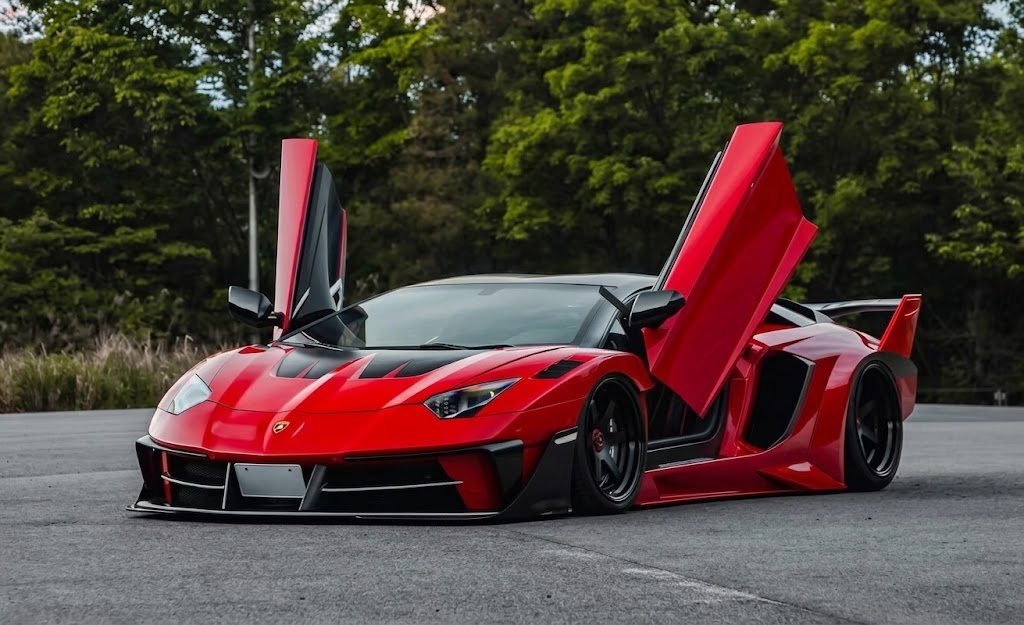
Luxury Widebody kits modifications have experienced explosive growth over the last few years, rapidly shifting from niche tuning circles into the mainstream and you can see this trend everywhere..
The Global Spread of Car Culture
As international events like the SEMA Show, Goodwood Festival of Speed, and various off-road rallies gain massive traction, you get to witness how this culture expands firsthand.Furthermore, the rise of platforms like Instagram,TikTok, and YouTube has fueled this modification wave. Consequently, technical know-how and stunning build examples now spread faster than ever before.
A Massive Expansion in Product Options
On the brand side, top-tier suppliers like Mansory, Liberty Walk, and Bamboo continue to push the boundaries of design. They utilize 1:1 exclusive mold development based on the original car data, backed by standardized production and reliable global shipping solutions.
Widebody Kit Material Option
Choosing the right material for a widebody kit is one of the most critical decisions you will make.
| Material | Weight Characteristics | Tensile Strength | Impact Durability | Investment Cost | Maintenance & Repair |
| Fiberglass (FRP) | Heavy | Moderate | Low | Friendly | Highly Repairable |
| Wet Carbon Fiber | Lightweight | High | Moderate | Mid-High | Complex |
| Dry Carbon Fiber | Lightweight | Maximum | Superior | Premium | Specialist Required |
| Polyurethane (PU) | Heavy | High | Excellent | Economical | Moderate |
| Polypropylene (PP) | OEM Standard | High | OEM-Grade | Mid-Range | Moderate |
Pros of Widebody Kit
The advantages of modify widebody kits are perfectly reflected in two dimensions: extreme visual impact and aerodynamic performance enhancement. They completely transform your vehicle’s overall appearance and character, making it truly one of a kind.
Aggressive Look
A luxury vehicle represents status, but true personalization is the ultimate goal.The most intuitive advantage of a facelift widebody kit is visual aesthetics. By extending the vehicle’s sides to extreme limits, the aero kit amplifies your body’s proportions and creates an aggressive race-car stance.
Today, bespoke widebody kits fall into two main styles.
The first is the Bolt-on / Overfender Style, with representative brands such as Rocket Bunny. This style deliberately leaves rivets, bolts, and panel seams exposed exposed for an aggressive, industrial look. It is a common sight at car shows and on street show-offs.
The second is the Seamless / Molded-in Style, represented by brands like Vorsteiner, Prior Design, and Revozport.In this approach, the widebody components merge flawlessly with the vehicle’s original body lines, creating a clean, OEM-plus appearance.
Aerodynamics
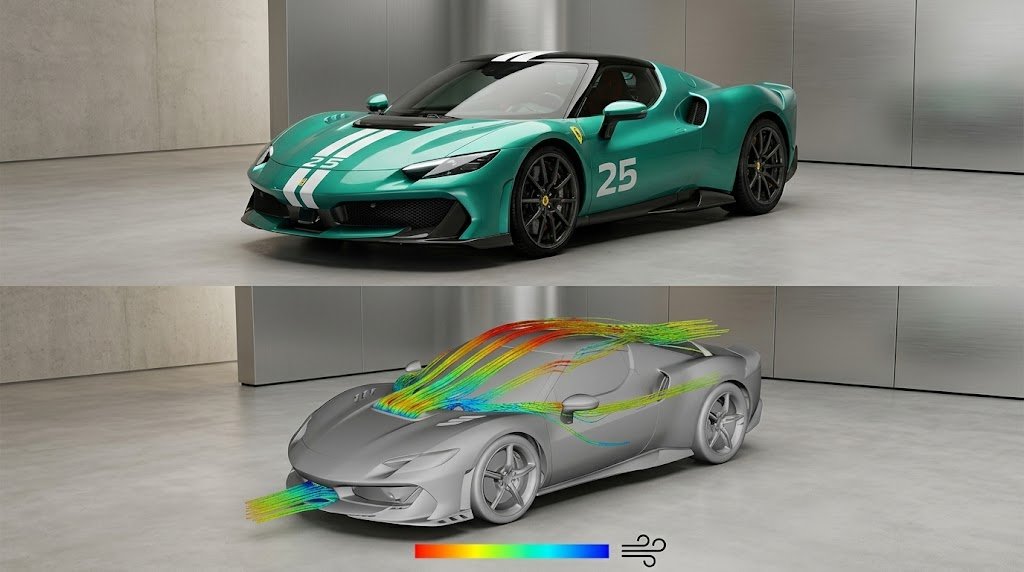
A premium widebody kit is not just a visual accessory. In fact, it enhances aerodynamic performance through engineering principles.
Wider Track Width:A widebody allows for the installation of wider tires and wheels. This wider track width improves lateral grip. As you driving speed increases, understeer is noticeably reduced.
Optimized Airflow Management: The openings (vents) at the rear of the wide fenders extract hot air, channeling high-pressure turbulence out of the wheel arches. This reduces front-axle lift and increases downforce at high speeds.
Cons of Widebody Kit
Obvious advantages are often accompanied by problems that cannot be ignored. Among all exterior modification projects, widebody conversion has the highest entry barrier. It demands extremely high modification expertise and significant costs.
Irreversible Modification
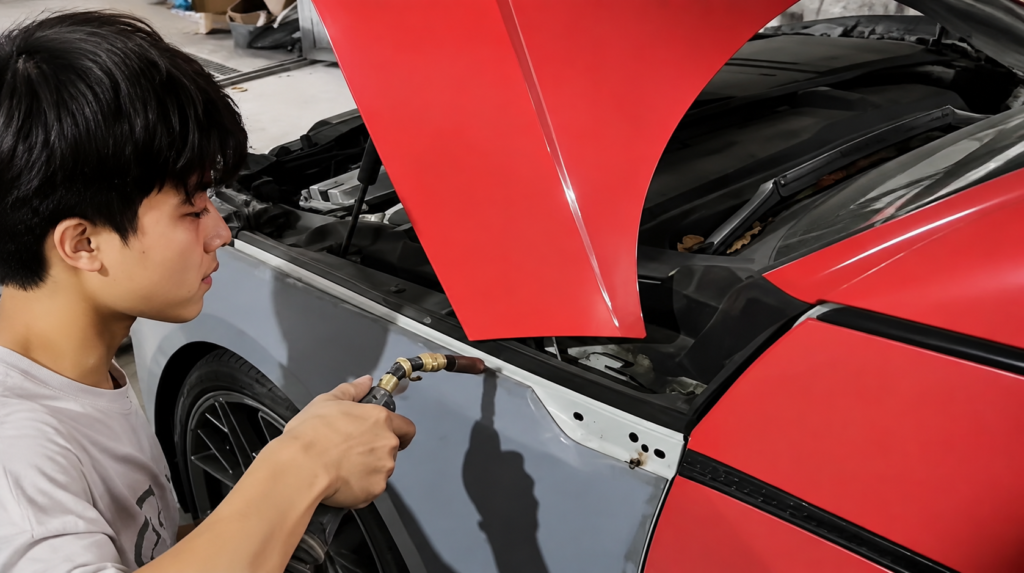
Cutting Factory Metal:Most super widebody kits require cutting or rolling the factory metal fenders and quarter panels during installation. This cutting is necessary to create clearance for wider wheels. Once the cut is made, your vehicle can never return to its original factory state.
Rust Risks:The cut metal edges require precise rust-proofing treatment.You will grinding the edges, applying rust-proof primer, and then sealing with sealant. Improper handling will cause the cut surfaces to rust and rot from the inside within six to twelve months. Internal rust damages the overall structure and cannot be repaired.
Hidden Costs
Due to material and development complexity, the widebody body kit carries a relatively high price tag. Whether you choose fiberglass (FRP), carbon fiber, or polyurethane, each material has its own cost structure and installation considerations. Additional costs include shipping, installation labor, painting, wheel alignment, and suspension geometry adjustments.
Painting Costs:Racing widebody kits come from the factory in an unpainted finish. Fiberglass parts have a black gel-coat surface, while carbon fiber parts have a matte finish.Each requiring different surface preparation before painting. To apply a custom or factory-matched color, the process requires you sanding, filling pinholes, and applying clear coat. In total, the painting cost alone can be two times or more than the price of the body kitz itself.
Installation Labor:A high-quality widebody kit requires you far more installation hours than standard body kits due to cutting, fitting, and rust-proofing work. Typically, total labor runs from 40 to over 80 hours.
Shipping Costs:Widebody kits are classified as oversized cargo due to their volume and weight. Whether shipped by sea or air, freight costs are substantial. In addition, fiberglass materials with poor flexibility are prone to damage during long-distance transit, even with wooden crate packaging.
How to Install Widebody Kit for Car
Installing a standard widebody kit involves several critical steps.Each step demands precision, and professional installation to avoid your costly mistakes.
First, Step 1: Dry-fit each panel to mark precise cutting lines.
Then,Step 2: Cut the factory fenders and immediately seal the raw metal edges with rust-proof primer and sealant to prevent corrosion.
Step 3: Mount the over-fenders using rivets, bolts, or structural adhesive, depending on the kit style
Step 4: Refine the fitment with body filler and sanding for a seamless finish, then proceed to painting.
Step 5: Perform a wheel alignment and a low-speed test drive to confirm clearance and handling.
Conclusion: Are Widebody Kits Worth It?
To sum up, installing a widebody kit depends entirely on composite factors.
| Evaluation Dimension | ✅️ Ideal Candidate | ❌ Not Recommended |
| Visual & Stance | Seeking bespoke aesthetics and maximum aggressive visual impact. | Navigating steep speed bumps and tight parking spaces daily. |
| Aerodynamic Performance | Building high-horsepower track vehicles requiring wider tire grip. | Driving low-power commuters where added drag hinders efficiency. |
| Chassis Alteration Tolerance | Permanent factory sheet metal modifications. | Hesitating to perform irreversible, permanent alterations to the vehicle. |
| Investment Cost | Sufficient budget | Insufficient budget |
FAQ
1.What’s the Difference Between a Widebody Kit and a Regular Body Kit on Car?
A:A standard body kit focuses on exterior styling upgrades and does not increase the vehicle’s track width. Its core components include replacement front bumpers, rear bumpers, and side skirts. In contrast,a widebody kit focuses on structural modification. It physically expands your vehicle’s width, allowing for wider wheels and tires.Components additionally include widened fenders or over-fenders.
2. Does Installing A Widebody Kit Always Require Cutting the Factory Fenders?
A:In most cases, yes. The factory metal fenders must be cut or rolled to install new wide over-fenders. The over-fenders are mounted over the cut metal, creating additional clearance for wider wheels. This cutting permanently alters the original body structure and cannot be reversed.
3. Does A Widebody Kit Really Affect Daily Driving?
A:Yes, it is highly impractical for daily use.
①Parking becomes difficult. Narrow parking spaces, multi-story garages, and tight aisles are challenging for a wider vehicle.
②Scraping risks increase. The lowered stance reduces ground clearance, making speed bumps a potential hazard. Narrow roads also increase the risk of side scraping.
③Turning radius increases. Wider wheels may rub against the inner fender liner when the steering wheel is turned to full lock.
4. Does A Widebody Kit Affect Driving in Rainy Conditions?
A:Yes. First, wider tires throw mud and water directly onto the sides and rear of your vehicle, making the body dirty and requiring frequent cleaning. Second, the spray reduces visibility for following vehicles, creating a safety hazard. Finally, if the cut metal edges are not precisely treated, they will rust at an accelerated rate.
5. Does Installing A Widebody Kit Require Prior Registration or Declaration?
A:In most regions, yes. Specific requirements vary by location.
North America:In some strict regions, cutting the original body structure is classified as a “structural modification” and requires additional declaration.
Europe:Regulations are very strict. Widebody kits require separate certification or approval to be road-legal.
Final thoughts
The advantages of widebody kit are clear: visual and performance improvement. However, costs are equally significant: cutting and high expenses.Widebody kits are one of Bamboo Supplier‘s specialty products.Perfect fitment, with an average panel gap of ≤0.5mm.Installation time is reduced by 40%. Contact us today to get the latest product catalog and pricing.