Introduction
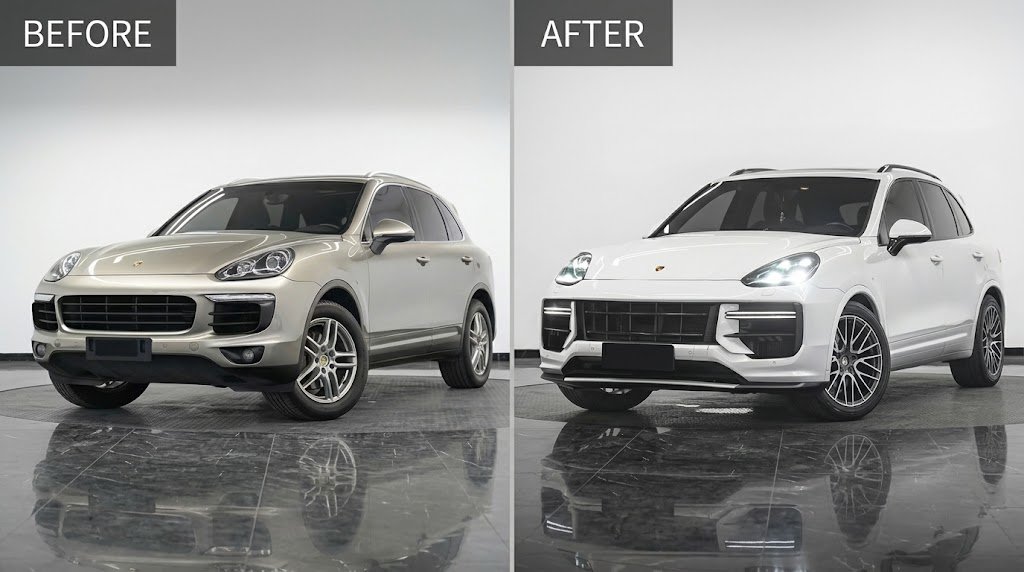
Are complete body kits expensive in the automotive aftermarket? However, the exact answer depends on several key factors. For instance, why do two visually identical PU bumpers have vastly different prices? Ultimately, a facelift conversion body kit’s cost relies on materials, craftsmanship, design complexity, and fitment difficulty. This article breaks down the core factors behind full body kit pricing.
What Is a Body Kit?
An aftermarket body kit directly replaces or upgrades a vehicle’s factory exterior parts. Typically, standard setups feature front bumpers, front lips, rear bumpers, rear diffusers, and side skirts. In addition, comprehensive widebody kits add custom fenders, fender flares, rear spoilers, grilles, and canards. Luxury body kits deliver both aggressive visual upgrades and aerodynamic performance improvements. They breathe new life into premium cars like Rolls-Royce, Lamborghini, and Ferrari.
What Factors Affect the Value of a Body Kit?
The truth is, a single factor never dictates a tuning body kit’s price. Instead, a series of elements collectively establish the modification kit’s true worth. For instance, raw materials and tooling costs play a major role. Furthermore, specific vehicle models and premium brand positioning directly drive the final cost.
Car Model
Body kits for rarely-seen and luxury vehicles command significantly higher prices.
On one hand, rarely-seen model facelift kits cost much more than popular models within the same brand. Specifically, a small global vehicle population creates extremely limited modification demand. When you invest heavily to develop a new tuning kit, sales remain low. You might only sell a few hundred sets throughout the product’s entire lifecycle. Therefore, manufacturers must maintain high unit prices to cover extensive R&D expenses.Conversely, mainstream cars like the Ford Mustang boast massive tuning popularity. Consequently, huge sales volumes dilute development costs and make these conversion kits much cheaper.
On the other hand, luxury vehicle upgrades naturally demand a higher premium. Developing aerodynamic kits for Porsche, Rolls-Royce Cullinan, and Bentley involves a complex cost structure. To match these six-figure cars, engineers must create custom molds directly from the original vehicle. Furthermore, the new parts must retain all factory functions and achieve perfect fitment standards. Ultimately, these rigorous requirements drive manufacturing costs incredibly high.
Material &Techniques
Compared to other materials, dry carbon fiber commands an extremely high price.
Raw materials and manufacturing processes work together to dictate the final cost directly. Currently, mainstream bespoke body kit materials include FRP, PU,ABS plastic,, wet carbon, and dry carbon.
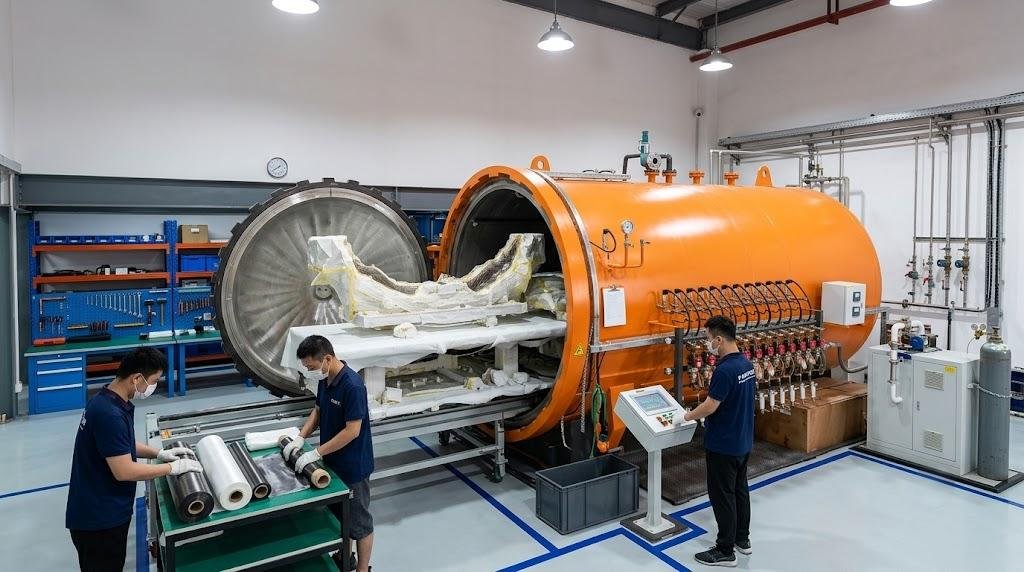
If you choose a premium dry carbon fiber kits, the raw material cost easily exceeds other options. Regarding craftsmanship, manufacturers eliminate messy manual layups and mold the product perfectly at one time. Specifically, they pre-impregnate the carbon weaves with resin to create advanced pre-preg sheets. Next, technicians place these pre-preg sheets into custom molds and cure them inside an autoclave.
Naturally, this entire workflow requires incredibly expensive specialized equipment. However, it consistently delivers flawless aerospace-grade quality. Ultimately, this technique achieves the highest structural strength and the lightest possible weight.
| Material Type | Manufacturing Process | Price Position | Ideal Application |
| FRP (Fiberglass) | Hand-laid molds | Low to Mid | Entry-level street cars |
| PP / ABS Plastic | CNC Steel Injection Molding | Low to Mid | Mass-market OEM replacements |
| Polyurethane (PU) | Casting Open Mold | Mid | Daily use |
| Wet Carbon Fiber | Vacuum bagging with resin | High | Standard aero add-ons |
| Dry Carbon (Pre-preg) | Autoclave (High heat & pressure) | Premium | Supercars |
Kit Complexity
Clearly, complex widebody kits cost significantly more than simple lip kits.
Generally, buyers categorize aerodynamic upgrades into three main types. These include Add-On Components, Full Bumper Replacements, and Full Widebody Conversions.Naturally, a core body kit commands a higher price when it contains more individual components. For example, a basic lip kit only requires three to five parts. In contrast, a widebody kit primarily widens the vehicle’s overall width and aggressive stance.
Typically, manufacturers include wider front and rear fenders, extended side skirts, and fender flares. Furthermore, the most complex full widebody setups often feature over thirty distinct pieces. These massive kits generate extremely high design and installation costs.
Quality Control
A perfect factory quality control system directly adds high value to the product. First, premium factories inspect raw materials before official production. Consequently, this step ensures complete consistency across all production batches.Second, technicians never relax during the manufacturing process. Instead, they strictly control mold temperatures, injection pressure, curing times, and humidity levels.
Finally, inspectors perform first-article testing and final evaluations on every finished batch. Multiple manual QA rounds involve strict visual checks and functional tests. Actively, they eliminate defects like pinholes, resin pooling, distorted weaves, or uneven clear coats.High-quality factories indeed increase initial production costs. However, drastically reduce your rework, scrap, and customer return rates.
Brand
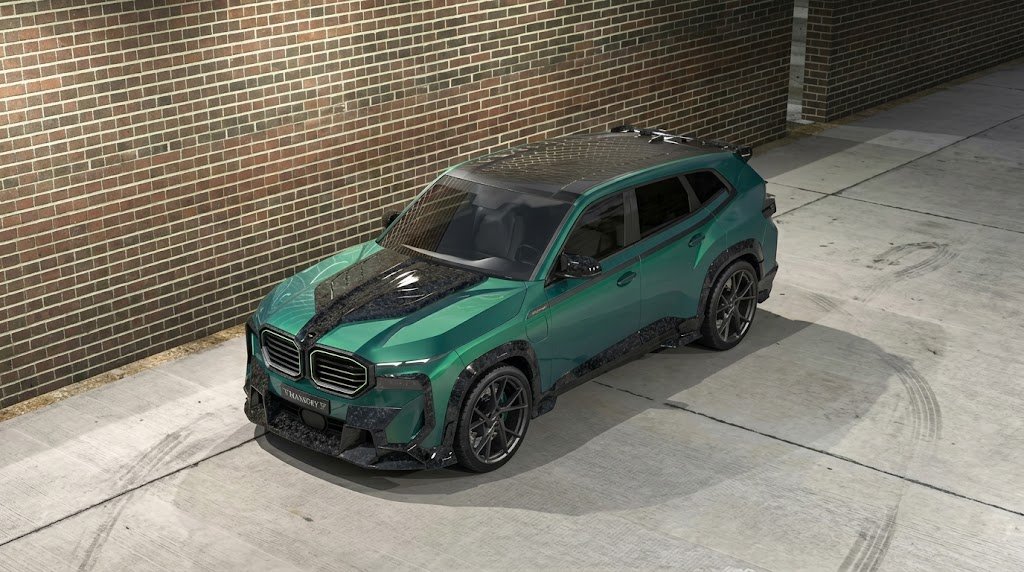
Brand identity acts as the strongest pricing factor in the body kit industry. Globally renowned tuning brands, like Mansory and Brabus, position themselves as pure luxury.This high-profile brand effect naturally provides strong social value. Therefore, you purchase a powerful status symbol, not just a simple product.
Premium brands invest millions of dollars annually to create exclusive design styles. Furthermore, these highly recognizable original designs perfectly highlight absolute uniqueness.Then, famous brands usually maintain strict quality control systems. They earn deep trust by holding valid TUV, ISO, or CE certifications. Consequently, premium brands charge several times more for identical materials and designs.
FAQ
Q1: Why is Durability A Standard for Evaluating Body Kits?
A: Body kits constantly face harsh climates like scorching heat, rain, and snow. Furthermore, they inevitably endure daily impacts and collisions. Consequently, heat-resistant, anti-aging, and shape-retaining kits provide much longer lifespans. Ultimately, their long-term value far exceeds low-quality alternatives.
Q2: Does Vehicle Fitment Affect a Car Body kit’s Value?
A: Yes. A perfectly fitted kit easily achieves direct bolt-on installation. Therefore, it drastically saves tedious sanding time and labor costs. Conversely, poorly fitted products deliver terrible installation results and leave large gaps. Naturally, these visual flaws cause extremely low market acceptance. Additionally, they generate noticeable rattling noises during high-speed driving. Even worse, forced removal can severely damage the original vehicle body.
Q3: Do Seasonal Temperature Changes Magnify the Value Gap Between Kits?
A: Yes. Extreme temperature shifts cause materials to expand and contract. However, premium kits utilize superior materials, craftsmanship, and strict quality control. Consequently, normal environmental changes barely affect their structural integrity. In contrast, cheap kits often warp or curl during scorching summer heat. Furthermore, they become stiff, brittle, and easily crack in freezing winter temperatures. Ultimately, these persistent issues severely degrade overall driving performance.
Q4: Why is the Value Gap So Obvious Between Universal and Vehicle-specific kits?
A: Universal packages lack custom vehicle molds and precise measurements. Consequently, they feature inferior R&D techniques and deliver poor fitment. In contrast, vehicle-specific kits utilize direct custom molds from the original car. Naturally, this exacting process drastically increases initial production costs. However, it successfully guarantees stable, non-destructive installation. Therefore, these premium custom kits achieve much higher market value.
Q5: Does a Luxury Body Kit Affect a Luxury Car’s Resale Value?
A: The exact answer depends entirely on kit quality and installation methods. Cheap, poorly fitted kits that require cutting the factory chassis heavily depreciate the vehicle. However, premium, direct-fit components actively enhance the vehicle’s overall appeal. For instance, enthusiast buyers highly value dry carbon aero parts for Bentleys or Ferraris.
Final Thoughts
Ultimately, understanding a body kit’s true value helps you achieve higher project efficiency. Furthermore, it guarantees much better long-term customer satisfaction. Bamboo Luxury Car supplies products featuring premium materials, strict quality control, and OEM-level fitment. Contact us today to get customized quotes, samples, or catalogs for your market.