Introduction
Polyurethane (PU) and Fiberglass (FRP) are two of the most traditional materials in the auto tuning industry. Different materials directly affect the cost structure, shipping risks, installation difficulty, and durability.So, when manufacturing a facelift body kit, should choose PU or fiberglass? Actually, these are two completely different material logics, and it’s impossible to draw a superficial conclusion in just one sentence.This article will break down the differences from the perspectives of fitment, impact resistance, and repairability, to establish a rational standard for selection.
What is Polyurethane?
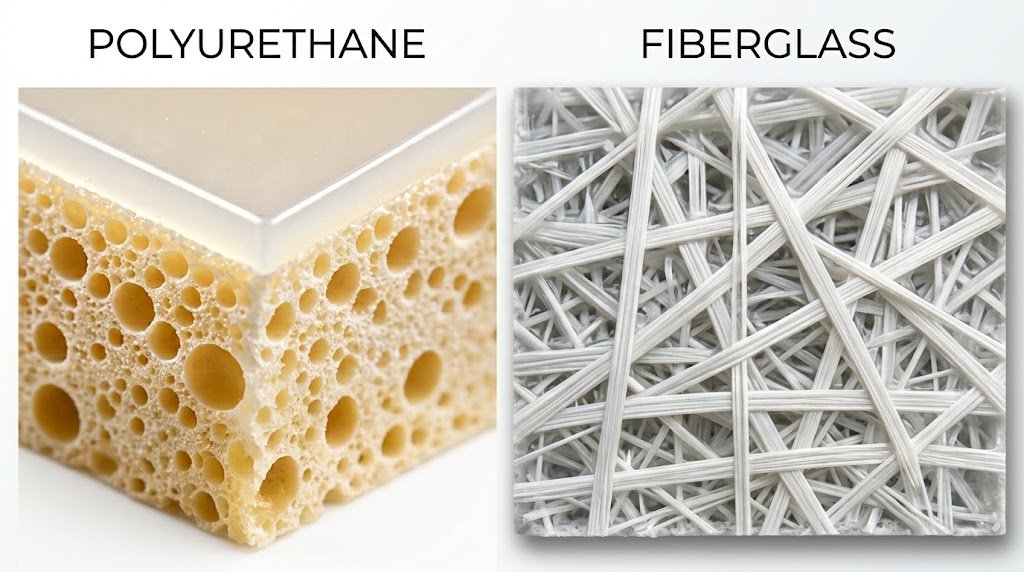
Polyurethane (commonly known as PU or Urethane) is a highly durable and extremely flexible polymer plastic. By adjusting the production process, manufacturers can create it in various soft or hard forms. In the auto body kit industry, factories produce plastic body kit using a high-pressure injection molding process. They pour liquid polyurethane into metal molds to shape the parts. As a result, the material texture feels remarkably similar to OEM factory kits for car. Furthermore, the market widely uses PU because of its natural elasticity and ability to bend.
What is Fiberglass?
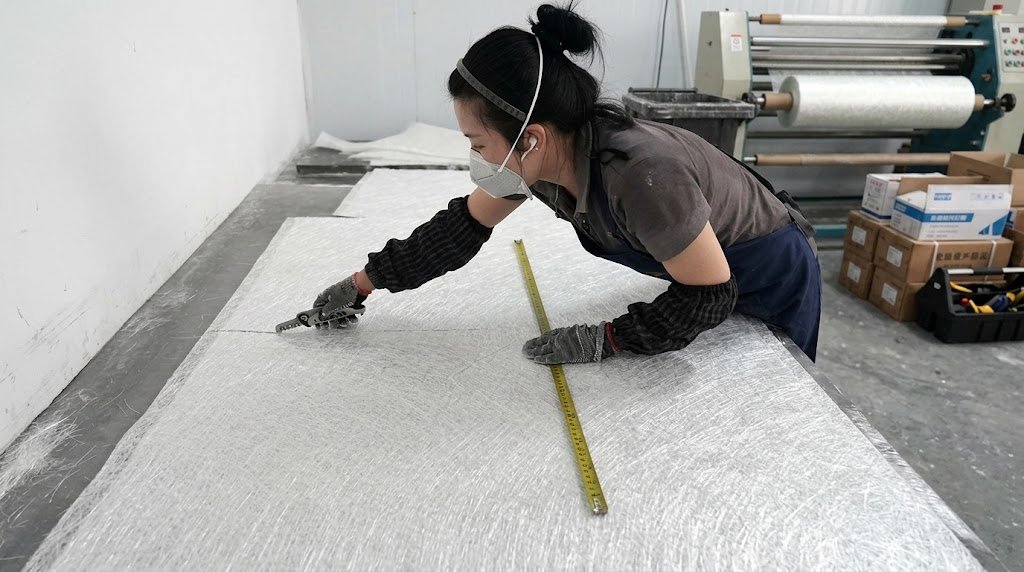
On the other hand, Fiberglass (also known as FRP, or Fiberglass Reinforced Plastic) is a composite material made of ultra-fine glass fibers and liquid resin. Manufacturers typically craft fiberglass bodykit using a hand-laid process. They draw glass into thin fibers and weave them into fiberglass mats. Next, they lay these mats layer by layer inside a mold, brush on the resin, and wait for it to cure. Because of this specific crafting method, FRP is perfectly suited for making widebody kits and custom body kits.
Polyurethane vs Fiberglass Comparison
Polyurethane and Fiberglass each have their own pros and cons. Therefore, in this section, will fully break down the characteristics of both materials and compare them comprehensively based on real-world application scenarios.
Flexibility
The more flexible a material is, the more deformation it can endure without taking any damage. Conversely, materials with low flexibility possess strong rigidity. When an applied force exceeds their limit, they do not bend—they simply break.
Polyurethane (PU) boasts incredible flexibility. When facing shipping compression, installation stretching, or even driving impacts, high-quality PU body kits will bend along with the impact force to absorb the energy. Then they bounce back to their original shape. Even if severe deformation occurs, you do not need to panic because PU features a unique “memory” property. You simply need to leave the deformed parts out in the sun, or apply a little heat with a heat gun, and they will automatically return to their perfect factory shape.
However, Fiberglass offers practically zero flexibility. Fiberglass Reinforced Plastic body kit are highly rigid, lack any yield point, and simply cannot handle compression. Once an external impact or compression hits them, they will shatter exactly like glass, developing massive spider-web cracks across the surface. Even during daily commuting, simply scraping against speed bumps or steep driveways can cause them to break apart instantly.
Design Complexity
Material and manufacturing differences determine whether you can design more complex bespoke body kit styles.
PU is much better suited for creating OEM styling kits.The PU molding process uses liquid casting, meaning edges and corners must remain relatively smooth.Sharp, complex designs prevent successful demolding, and forcing parts out only increases your scrap rate.Thus, PU is the best choice for OEM-style front lips, side skirts, rear lips, and bumpers.
Conversely, Fiberglass can easily handle highly complex styling designs.The hand-laid fiberglass process offers extreme flexibility, achieving almost any level of shape complexity.If you want deep recesses, vents, massive widebodies, or multi-structural parts, fiberglass is the ideal material.
Repairability
Once tuning body kit hits the road, it will inevitably suffer damage over time.
PU has extremely low repairability.Thanks to its high elasticity, PU rarely breaks unless impacts exceed its flexibility limits.When a tear does occur, repairing it is extremely difficult.Even professional adhesives fail to achieve the original result.If you force plastic welding, the quality of the repaired area drops significantly.Therefore, you must simply scrap severely damaged PU parts.
But, fiberglass is the easiest material to repair.This remains one of its biggest after-sales advantages.The repair process offers low costs and high workability.You can easily fix damages through layering, splicing, and sanding.With rich experience, the repaired strength can even surpass the original part.
Installation Labor
Material characteristics directly impact your installation labor hours and margin of error.
Polyurethane bodykit require short labor hours. Thanks to its inherent flexibility, PU consistently achieves OEM-like fitment. Even with misaligned holes or warped curves, you can gently stretch PU into proper position. You never worry about handling mistakes, perfectly achieving a true bolt-on installation.
On the contrary, Fiberglass requires significantly longer installation labor hours. First, fiberglass features a rough surface, requiring you to sand it meticulously before installation. Second, its strong rigidity means improper handling will instantly snap the material. Poor fitment must correct it through sanding, adding shims, or reshaping. This tedious process consumes a massive amount of time and costs.
Climate Adaptability
Different countries and regions experience varying climates. In extreme environments, the right material always performs best.
Polyurethane excels in the cold but struggles in the heat. PU offers a massive advantage in freezing regions. It maintains excellent flexibility in sub-zero temperatures without cracking easily. However, this thermoplastic struggles in extremely hot regions. Long-term exposure to intense sunlight easily causes “heat sagging”.
Whereas, fiberglass (FRP) resists heat but fears the cold. FRP features excellent thermal stability. It remains intact even under 50-degree Celsius sun exposure in the Middle East. However, freezing temperatures make FRP much more brittle. Consequently, even a tiny bump can instantly shatter the entire front lip.
In summary, this deep analysis compares the dimensional differences between polyurethane and fiberglass. This helps you objectively choose the right material to upgrade luxury cars like Rolls-Royce, Porsche, Land Rover, or Mercedes-Benz.
| Key Dimension | Polyurethane (PU / Urethane) | Fiberglass (FRP) |
| Flexibility | ✅ High | ❌ Low |
| Design Complexity | OEM style | Widebody style Custom style |
| Repairability | ❌ Low | ✅ High |
| Installation labor | ✅ Labor-Efficient | ❌ Labor-Intensive |
| Climate Adaptability | ✅ Cold-Resistant❌ Heat-Sag Risk | ✅ Heat-Resistant❌ Brittle in Cold |
FAQ
1. Which Material Achieves the “Seamless Blending” Process When Building A Modification Kit?
A:Fiberglass achieves a completely gapless effect. Use resin and fiberglass mats to seamlessly blend parts directly into the factory metal fenders. After sanding and painting,absolutely no gaps. PU and metal have completely different thermal expansion rates. Therefore, their joints will inevitably crack over time.
2. Can Mix PU and Fiberglass Parts On the Same Aftermarket Body Kit Build?
A:Yes, this represents a very common tuning strategy. Use PU for impact-prone areas like front lips and side skirts. Meanwhile, FRP is much better suited for lightweight, detailed fenders and spoilers.
3. How Should Properly Store PU and FRP Plastic Body Kit in Warehouse Management?
A: ①You must store PU body kits on flat racks in moderate temperatures. If randomly store PU under high heat for long periods, it will warp due to “heat sagging.”
② Fiberglass bodykit require a massive amount of storage space. Fiberglass possesses strong rigidity, so it holds its shape regardless of storage methods. However, the exterior wooden crates or oversized cartons will consume significant warehouse space.
4. Which Material Has a Lower Damage Rate During Long-distance Shipping?
A:PU experience a much lower shipping damage rate. PU remains flexible, so it never shatters even when facing compression and impacts. Conversely, fiberglass is inherently brittle. Bumpy long-distance ocean and land freight often cause chipped edges and broken corners. At Bamboo, we use export-grade wooden crates and foam during shipping. This comprehensive protection drastically reduces cargo damage.
5. Which Material is Easier to Paint?
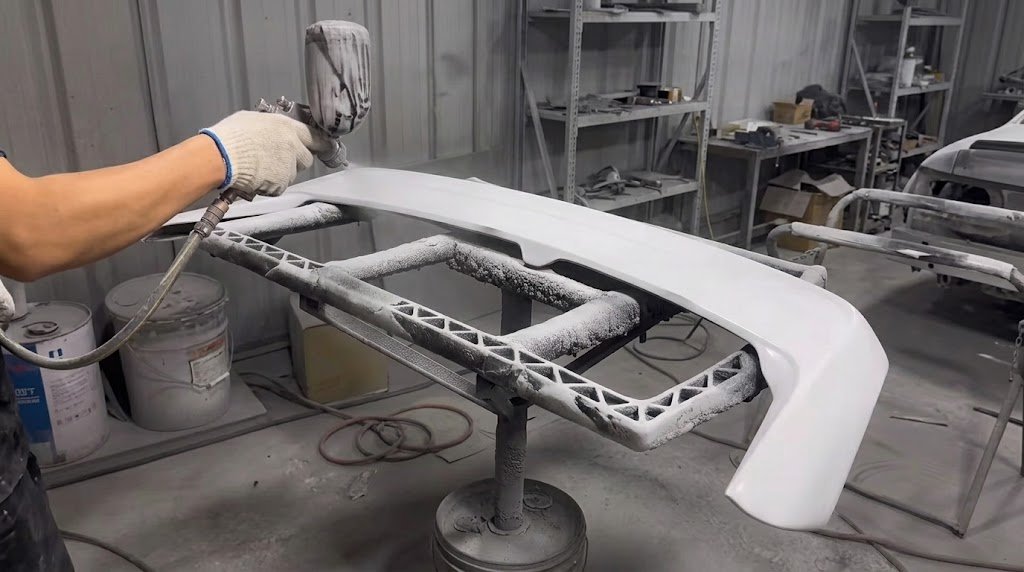
A:PU kits are generally easier to paint. PU features a smooth surface, eliminating massive sanding and pinhole filling before painting. However, you must thoroughly clean the release agent and apply plastic primer. Otherwise, the paint will bubble and peel off. Fiberglass surfaces contain numerous pinholes. This requires sanding, filling, and priming, resulting in relatively higher labor hours.
Final Thoughts
PU and Fiberglass are never absolutely good or bad. Usage environments, tuning styles, and purchasing budgets dictate the right choice. Regardless of your choice, supplier quality matters far more than the material itself. Bamboo exports luxury auto parts, and we precision-mold all products 1:1 to achieve perfect before and after. Every product represents our reputation and credibility. Welcome to contact us to learn more.